
Booking a manicure often comes with a choice between Shellac, gel and various branded gel polish systems, and the terminology gets confusing fast, partly because some of these names are actually trademarked brands rather than general categories. Understanding what each one really is helps you ask for exactly what you want, and know what to expect in terms of durability, removal and cost. This guide clears up the confusion between Shellac, Halo Gel and standard gel polish.
Shellac is a brand, not a category
Shellac is a trademarked product name belonging to CND, Creative Nail Design, not a generic term for any semi-permanent polish, even though it is often used that way in everyday conversation. It is best understood as a hybrid between traditional nail polish and gel, containing a higher proportion of lacquer than most gel polishes, cured under a UV or LED lamp. This hybrid formula gives Shellac a slightly thinner, more natural finish than a full gel system, and it is generally considered gentler on the natural nail during removal as a result.
Gel polish is a broad category
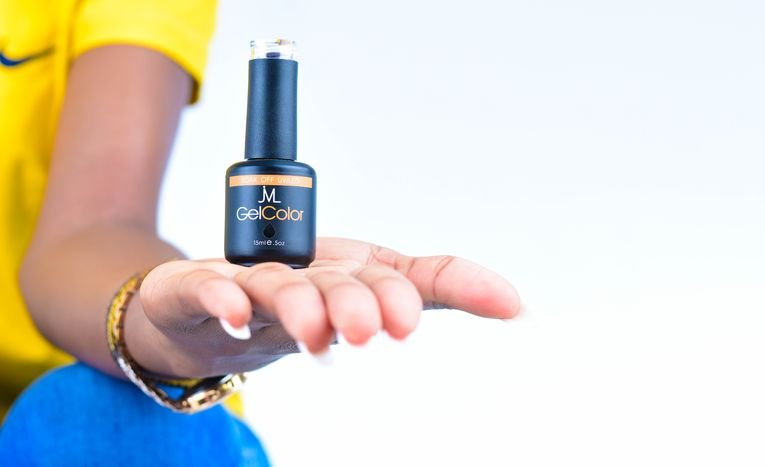
Gel polish, by contrast, is not one specific product but a broad category covering many different brands, including OPI GelColor, Gelish, DND, and Halo. All gel polishes are made from acrylic monomers and oligomers that bond together and harden under UV or LED light, generally giving a thicker, glossier finish than Shellac and typically lasting a little longer before chipping. Gel polish is usually applied in three layers, a base coat, two coats of colour and a top coat, with each layer cured under the lamp, and the result is a hard, glossy finish that resists chips far better than ordinary polish.
Where Halo Gel fits in
Halo is one specific gel polish brand within this broader category, developed by Pure Nails specifically for the UK professional nail market. It has become one of the most widely used gel polish brands among UK nail technicians, known for smaller, cost-effective bottles, a self-levelling formula, and being fully vegan and HEMA-free, which matters for clients with sensitivity to that particular ingredient found in many gel systems. HEMA, or hydroxyethyl methacrylate, is a common ingredient in gel products that helps them bond to the nail, but it is also one of the more frequent causes of allergic reactions in both clients and nail technicians.
Comparing the three
| Factor | Shellac (CND) | Halo Gel | Standard gel polish (general) |
|---|---|---|---|
| What it is | Trademarked hybrid gel/polish brand | A specific gel polish brand | Broad category, many brands |
| Typical wear time | 10 to 14 days | Up to 14 to 21 days depending on formula | 2 to 3 weeks |
| Removal | Soaks off easily, gentle on nails | Soaks off in around 10 minutes | Varies, generally needs some filing first |
| Finish | Thinner, more natural-looking | High shine, highly pigmented | Thicker, glossier |
| HEMA-free options | Varies by product line | Yes, across the current range | Varies significantly by brand |
Which one suits your nails best
The best choice depends on your nails and your habits, not on which product is most popular. If your nails are thin, flexible or easily damaged, Shellac is often the kindest option, because its thinner formula and gentle removal put the least stress on the nail plate. If your nails are strong and you want the longest wear, a full gel polish, including Halo, will usually last several days longer, and the thicker finish also protects the nail from everyday knocks. If you have sensitive skin or have reacted to gel products before, a HEMA-free option such as Halo is worth asking about, and you should tell your technician about any previous reaction before the appointment starts.
Cost per wear: a fairer way to compare
Salon prices for Shellac and gel polish are often similar, which makes cost per wear a more useful comparison than the price of a single appointment. A manicure that costs the same but lasts fourteen days instead of ten works out cheaper per day, even though the upfront price is identical. When you compare options, ask the salon what removal costs, how long the appointment takes, and how long the finish usually lasts on nails like yours, since those three answers tell you far more than the price list alone.
Why removal time genuinely matters
The differences in removal time are not just a minor technical detail, they translate directly to nail health. A thinner, easier-to-remove product like Shellac or Halo generally means less filing and buffing is needed before soaking, which reduces the mechanical stress placed on the natural nail during removal. Thicker, more heavily built gel systems, while often more durable day to day, typically require more preparation work at removal, which is worth factoring in if you have naturally thin or fragile nails. If you remove gel at home, use pure acetone with foil wraps, keep the soak to the recommended time, and gently push the softened product away with an orange wood stick rather than scraping at the nail surface.
Looking after your nails between manicures
Whatever system you choose, your nails will last longer and stay healthier with a little care between appointments. Apply cuticle oil daily, since hydrated cuticles and nail plates are less likely to lift or peel, and wear gloves for cleaning and washing up, because water and detergents weaken both the polish bond and the natural nail. Avoid using your nails as tools to open tins, scrape labels or pick at things, since that is one of the fastest ways to chip a gel manicure. Taking a short break between gel manicures, even a week or two with bare nails and regular cuticle oil, gives the nail plate time to recover, and it is worth doing if your nails feel thin, bendy or sore after removal.
What to ask your salon before you book
A short conversation before your appointment can prevent most disappointments. Ask which specific brand the salon uses, rather than assuming that gel polish means the same thing everywhere, and ask whether they stock a HEMA-free option if that matters to you. Ask how long the manicure usually lasts on nails like yours, what removal involves, and whether removal is included in the price of your next visit. It is also worth asking how the technician prepares the nail plate, since careful preparation, including gentle cuticle work and proper dehydration of the nail surface, makes a bigger difference to wear time than the brand name on the bottle. A good salon will welcome these questions, since they show you understand what you are asking for.
Frequently asked questions
Is Shellac actually better for your nails than gel?
Shellac is often considered gentler on the natural nail because of its easier removal process, but neither Shellac nor gel is inherently damaging when applied and removed correctly by a trained technician. The real risk factor in both cases is poor application or forced removal, not the product category itself.
Can I ask for Halo Gel by name at any salon?
Only if the salon actually stocks that specific brand, since Halo is one of many gel polish brands rather than a universal industry term. It is worth checking with your salon beforehand if you have a preference for a particular brand or its HEMA-free formulation.
Why do some gel polishes last longer than others?
Formula thickness, pigment quality, and how well the base, colour and top coat layers are cured all affect longevity, alongside how the nails are cared for afterwards. This is why wear time can vary meaningfully even between two products both marketed simply as “gel polish.”
What does HEMA-free actually mean?
HEMA-free means the formula does not contain hydroxyethyl methacrylate, an ingredient that helps gel bond to the nail but is also a common cause of allergic reactions. A HEMA-free product removes that particular risk, but it can still contain other acrylates, so it is not a guarantee against all reactions, and a patch test is still sensible if you have reacted to gel products before.
Our recommendation
If you have thinner or more sensitive nails and prioritise gentle removal, Shellac or a similarly hybrid formula is likely the better fit. If you want maximum durability and do not mind a slightly more involved removal process, a well-applied standard gel polish, including brands like Halo, will generally outlast Shellac by several days. Either way, ask your salon which specific brand they use rather than assuming, since the names get used loosely in everyday conversation far more than their actual formulas differ. If you are still unsure, book a single Shellac manicure first, since it is the easiest to remove if you do not like the result, and try a full gel polish next time to compare wear on your own nails.