

Few garments have proven as enduring as the little black dress, a design fashion historians trace back to Coco Chanel in the 1920s. Its lasting popularity comes down to genuine versatility: the same simple black dress can be styled for the office, a wedding, or a night out, transformed entirely by the accessories and layers built around it. This guide covers how to get real range out of one well-chosen LBD.
Why the little black dress has lasted a century
Vogue famously compared Chanel’s original design to the Model T Ford, suggesting it would become as universally accessible and enduring as the car itself, and that prediction has largely held true. The appeal lies in its simplicity, a plain black dress acts as a genuinely neutral canvas, meaning the styling choices around it, rather than the dress itself, do the work of adapting it to different occasions.
Styling an LBD by occasion
| Occasion | Styling approach | Key accessories |
|---|---|---|
| Office or daytime | Add a tailored blazer and low heels or flats | Structured bag, minimal jewellery |
| Evening or dinner | Swap to heels, add a statement accessory | Bold earrings, a clutch bag |
| Wedding guest | Layer with a wrap or jacket, choose elevated jewellery | Fascinator or hair accessory, heeled sandals |
| Night out | Add a leather jacket or bold outerwear | Statement boots, layered jewellery |
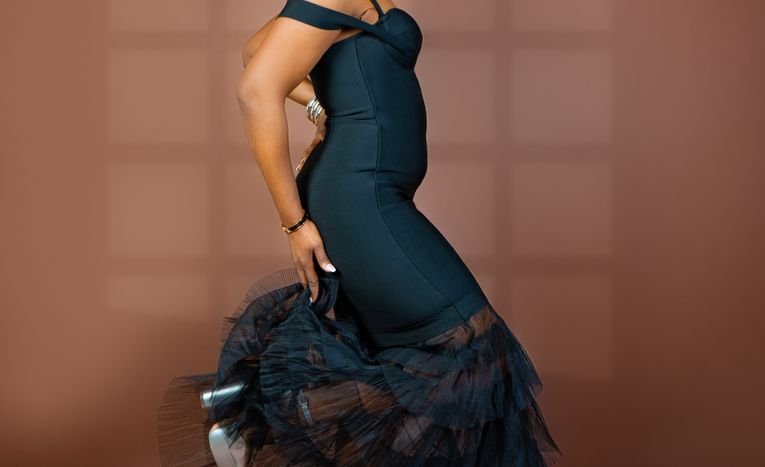
Choosing the right silhouette for you
Not every little black dress suits every body shape or occasion equally, so it is worth thinking about silhouette before buying. A structured, fitted shift dress tends to work best for formal or office settings, while a softer, flowing midi dress suits more relaxed daytime or wedding guest occasions. Having one of each in your wardrobe, rather than a single all-purpose LBD, genuinely widens how many different situations you can dress for confidently.
Jewellery makes the biggest difference
Because a black dress provides such a neutral base, jewellery choices have an outsized effect on how the whole outfit reads. Delicate gold jewellery and pearl studs lean the look towards classic and understated, while chunky statement pieces or layered necklaces immediately signal a bolder, more fashion-forward styling choice, even with the exact same dress underneath.
Footwear changes the formality more than anything else
Of all the styling decisions available, footwear arguably shifts the formality of a little black dress more dramatically than any other single choice. The same dress paired with trainers reads as casual daytime wear, with block heels as smart-casual, and with a fine strappy heel as formal evening wear, which is worth keeping in mind if you are trying to get maximum versatility from a single dress.
Frequently asked questions
Is a little black dress still considered a wardrobe essential?
Yes, it remains one of the most consistently recommended wardrobe staples in fashion writing, precisely because of how easily it adapts across different occasions and personal styles, which is unusual for a single garment.
Can a little black dress be worn to a wedding as a guest?
Generally yes, provided it is not overly plain or overly revealing for the specific event, and it is paired with elevated accessories such as heels and statement jewellery to lift it appropriately for the occasion.
How many little black dresses does a wardrobe actually need?
One well-chosen, versatile silhouette is genuinely enough for most people, though having a second in a different cut, such as a structured shift alongside a flowing midi, widens the range of occasions you can dress for without needing to buy an entirely new outfit each time.
Our recommendation
Invest in one well-made little black dress in a silhouette that suits your body shape and typical occasions, then build a small collection of accessories, from delicate gold jewellery to bolder statement pieces, that let you restyle it repeatedly. Footwear is the single most effective lever for shifting formality, so having both a smart heel and a more casual option on hand gets genuine year-round wear from one dress.