
Wigs have moved well beyond their traditional reputation and into everyday styling territory, letting anyone try a completely different length, texture or colour without touching their natural hair. Whether you are drawn to a classic bob, a low-maintenance pixie or a bold curly style, choosing the right wig comes down to understanding cap construction, hair type and how each style suits different face shapes. This guide covers the essentials before you buy.
Human hair versus synthetic: the fundamental choice
Every wig purchase starts with this decision. Human hair wigs move, shine and fall in a way that closely mimics natural hair, and can be heat styled, coloured and restyled just as you would your own hair, typically lasting one to three years with proper care. Synthetic wigs are considerably more affordable, hold their factory-set style through washing without any need for heat tools, and are ready to wear straight out of the box, but they generally cannot be heat styled and have a shorter usable lifespan, typically four to six months with regular wear.
Comparing human hair and synthetic wigs
| Factor | Human hair | Synthetic |
|---|---|---|
| Natural appearance | Very high, moves like real hair | Good, though can look slightly uniform |
| Heat styling | Yes, can be curled, straightened, coloured | Generally no, heat can damage the fibres |
| Typical lifespan | 1 to 3 years with proper care | 4 to 6 months with regular wear |
| Maintenance | Higher, needs washing and restyling like natural hair | Lower, holds its set style after washing |
| Price | Higher, from around £150 upwards | More affordable, from around £25 |
Choosing between bob, pixie and curly styles
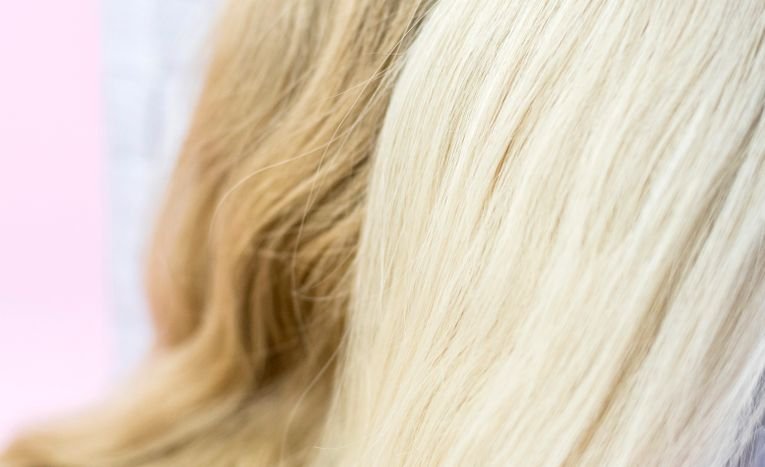
A bob wig, typically ranging from chin to shoulder length, suits most face shapes and offers a polished, versatile look with relatively low daily styling effort. A pixie wig sits shorter still, stopping at or above the ears, and works particularly well for a genuinely low-maintenance, wash-and-go style. Curly wigs add texture and volume, and are available in a wide range of curl patterns, from loose waves to tight coils, letting you match a curl type that either mirrors your natural texture or offers a deliberate change from it.
Understanding cap construction
- Lace front: a sheer lace panel across the front hairline only, giving a natural-looking hairline for everyday wear, though styles are generally limited to away-from-the-face looks at that front section.
- Full lace: lace across the entire cap, allowing for the most versatile styling, including updos and side partings anywhere on the head, though typically at a higher price point.
- 360 lace: lace around the full perimeter of the cap rather than the entire top, offering a natural hairline all the way around while keeping cost below a full lace construction.
Caring for your wig properly
Human hair wigs benefit from being treated much like natural hair, washed with a sulphate-free shampoo every one to two weeks depending on wear, and conditioned to keep the fibres soft and manageable. Synthetic wigs need gentler handling, since brushing dry can cause frizz, and they should be washed less frequently, typically every six to eight wears, using lukewarm water rather than hot, and never soaked for extended periods, which can encourage tangling.
Frequently asked questions
Can synthetic wigs be curled or straightened with heat tools?
Standard synthetic wigs cannot tolerate heat styling and will melt or become damaged if heat tools are used. Some newer heat-resistant synthetic fibres exist specifically for limited heat styling, so it is worth checking the product description carefully before applying any heat.
How do I know if a wig is human hair or synthetic?
Beyond checking the product listing, human hair generally has a slightly more varied, less uniform shine than synthetic fibres, and moves more naturally when touched. If genuinely uncertain, the retailer’s product description and material listing is the most reliable source.
What is the difference between a bob and a pixie wig?
A bob wig extends to the chin or rests above the shoulders, while a pixie wig is shorter still, stopping at or above the ears, making it the lower-maintenance option of the two in terms of daily styling.
Our recommendation
If you want maximum styling flexibility and are prepared for a higher price and more maintenance, a human hair lace front wig in a bob or pixie length gives the most natural, versatile result. If you are after a reliable, low-effort style, particularly for a bold curly look you want to keep consistent without daily styling, a good-quality synthetic wig offers genuine value and convenience, provided you avoid all heat tools and stick to a gentle care routine.