
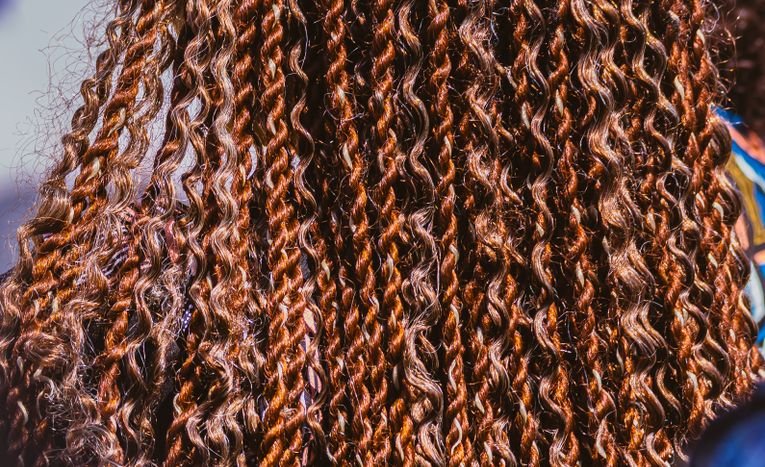
Certain hairstyles exist purely to solve a practical problem: getting through a swim without damage, sleeping without waking up to a tangled mess, or surviving a demanding shift at work without hair falling in your face all day. For afro-textured and curly hair in particular, the right style also plays a genuine role in reducing breakage and retaining length over time. This guide covers the most effective practical and protective hairstyles for swimming, sleeping and everyday wear.
What makes a hairstyle genuinely protective?
A protective hairstyle works by minimising manipulation, meaning the hair is handled, brushed and restyled as little as possible while tucked away, and by reducing direct exposure to friction, wind and moisture. For afro-textured hair specifically, which is naturally more prone to dryness and breakage than straighter hair types, styles such as braids, twists and buns give strands a genuine break from daily combing and heat styling, which is part of why these styles are so closely associated with healthier length retention over time.
Hairstyles for swimming
| Style | Why it works for swimming |
|---|---|
| French braid | Keeps hair flat and tangle-free, easy to rinse and detangle afterwards |
| Cornrows or flat twists | Sit close to the scalp, fit comfortably under a swim cap, minimise friction during laps |
| Low, secure bun | Quick to do, keeps hair contained and out of the way |
| Chunky twists or braids | Low manipulation and simple to rinse and detangle once out of the water |
Preparing hair before and after swimming
Chlorine and saltwater are both drying to hair, and curly or afro-textured hair is particularly prone to that dryness given its naturally lower moisture retention. Soaking hair with clean water, or a leave-in moisturising spray, before swimming helps the hair absorb less chlorinated or salt water in the pool or sea, since the strands are already saturated with something less damaging. A well-fitting swim cap adds a further physical barrier, and rinsing thoroughly with fresh water immediately after swimming, followed by a proper wash and deep conditioning treatment, helps counteract the drying effects of a swim session.
Hairstyles for sleep
A pineapple updo, gathering hair loosely at the very top of the head with a soft scrunchie, is one of the most popular overnight styles for curly and coily hair, since it protects curl definition from being crushed against a pillow while sleeping. For straighter hair, a loose braid or a silk or satin bonnet reduces the friction that causes tangling and frizz overnight, since these fabrics create far less resistance against hair than cotton pillowcases do.
Hairstyles for work and everyday wear
- Low bun or chignon: neat, professional-looking and secure through a full working day.
- Half-up half-down style: keeps hair out of the face while still leaving some length visible, suited to more relaxed work environments.
- Braided styles: low maintenance for several days at a time, ideal for particularly busy weeks or shift work.
- Simple ponytail: quick, practical, and easily dressed up or down depending on the setting.
Frequently asked questions
How long can protective styles like braids or twists be worn safely?
Most braided or twisted protective styles are recommended for around six to eight weeks at a time. Wearing them longer increases the risk of matting at the roots and puts more strain on the hairline, so refreshing or removing the style within this window helps protect long-term hair health.
Do protective hairstyles actually help hair grow faster?
Protective styles do not speed up the rate hair grows from the scalp, but by reducing daily manipulation and breakage, they help retain more of the length that is already growing, which is often mistaken for faster growth.
What is the best way to protect hair from chlorine if I swim regularly?
Frequent swimmers benefit most from a consistent routine: soaking or moisturising hair before swimming, wearing a well-fitting cap, and following up with a proper cleanse and deep conditioning treatment afterwards, done consistently after every session rather than occasionally.
Our recommendation
For swimming, cornrows or flat twists under a proper-fitting cap offer the most reliable protection with the least daily fuss. For sleep, a silk or satin bonnet or pillowcase is one of the simplest, most effective changes you can make regardless of hair type. And for work, a low bun or neat ponytail covers most professional settings while keeping styling time to a minimum on busy mornings.