
A standard drugstore nail clipper is genuinely no match for thick, hardened toenails, and using the wrong tool tends to end in crushed, splintered nails rather than a clean cut. Whether thickening comes from ageing, a fungal infection, past trauma, or simply naturally tough nails, the right clippers and files make trimming considerably safer and more comfortable. This guide covers what actually matters when choosing tools for thick or sensitive nails, based on the features podiatrists themselves recommend.
Why thick nails need different tools altogether
Thick toenails can develop for several distinct reasons, including fungal infection, ageing-related thickening sometimes called onychogryphosis, repeated minor trauma from tight shoes or running, and underlying conditions such as psoriasis. Whatever the cause, standard clippers simply lack the jaw width and blade strength to cut cleanly through significantly thickened nail material, which is why they tend to crush or splinter the nail rather than trimming it properly.
What to look for in clippers for thick nails
| Feature | Why it matters |
|---|---|
| Wide jaw opening (15mm or more) | Accommodates thickened nail width without pinching or forcing an awkward angle |
| Surgical-grade stainless steel blades | Stays sharp longer and cuts cleanly rather than crushing the nail plate |
| Curved or slanted blade | Follows the natural curve of the nail and helps prevent ingrown edges |
| Non-slip, ergonomic handle | Improves control and reduces hand strain, particularly important for older users or those with reduced grip strength |
| Long handle design | Gives extra leverage for cutting through significantly hardened nails |
Choosing the right nail file for thick nails
A standard emery board struggles with genuinely thick or hardened nails in much the same way regular clippers do. Coarse-grit files remove material faster and suit very thick nails, while finer grits are better reserved for smoothing edges once the bulk of the shaping is done. Diamond and podiatry-grade metal files are considerably more durable than standard emery boards and are commonly used by podiatrists specifically for tough, thickened nails, while stainless steel and glass files have the added benefit of being easier to properly disinfect than a disposable emery board, which matters if fungal involvement is a concern.
Safe trimming technique, podiatrist-recommended
- Soften first: soaking feet in warm water for 10 to 15 minutes noticeably softens thick nails before trimming, making them considerably easier to cut cleanly.
- Dry thoroughly: wet nails and wet clippers increase the risk of slipping, so drying hands, feet and tools before starting matters more than it might seem.
- Cut straight across: avoid digging into the corners of the nail, since this is a common cause of ingrown nails, particularly with already-thickened nails.
- Take small snips: rather than attempting the whole nail in one cut, small, overlapping snips give more control and a cleaner result on tough nail material.
- Finish with a file: smoothing any remaining sharp edges afterwards reduces the risk of the nail catching on socks or bedding.
Hygiene matters as much as the tool itself
Disinfecting clippers and files with rubbing alcohol after each use helps prevent spreading fungal or bacterial infection between trims, which is particularly relevant if thick nails are already linked to a fungal cause. Stainless steel tools generally sterilise more thoroughly and reliably than disposable emery boards, which is another reason many podiatrists favour metal files for anyone dealing with recurring nail thickness or a diagnosed fungal infection.
Frequently asked questions
How often should nail clippers for thick nails be replaced?
A good quality, surgical-steel clipper typically stays sharp for one to two years of regular use on thick nails. Visible nicks, a dulling blade, or needing noticeably more force than before to cut are reliable signs it is time to replace them.
Should I see a podiatrist instead of trimming thick nails myself?
If thick nails are painful, difficult to trim safely, or show signs of infection such as discolouration or an unpleasant odour, it is worth consulting a podiatrist, particularly if you have diabetes or reduced circulation, both of which raise the stakes of even a minor nail injury.
Are electric nail files or grinders better than manual files for thick nails?
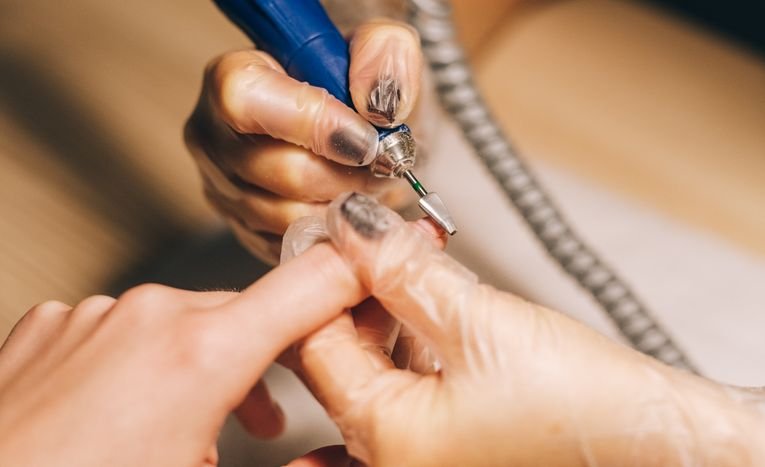
Electric grinders can be genuinely useful for extremely thick or fungal nails, since they remove material more quickly and with less physical effort than manual filing, though they require a steady hand and gentle technique to avoid over-filing the nail bed.
Our recommendation
If you deal with genuinely thick nails regularly, invest in a wide-jaw, surgical-steel clipper with a curved blade over a standard drugstore option, and pair it with a coarse-grit metal or diamond file rather than a disposable emery board. Soak nails before trimming, cut in small sections rather than one large snip, and see a podiatrist if trimming becomes painful or you suspect an underlying fungal cause rather than continuing to manage it with tools alone.