
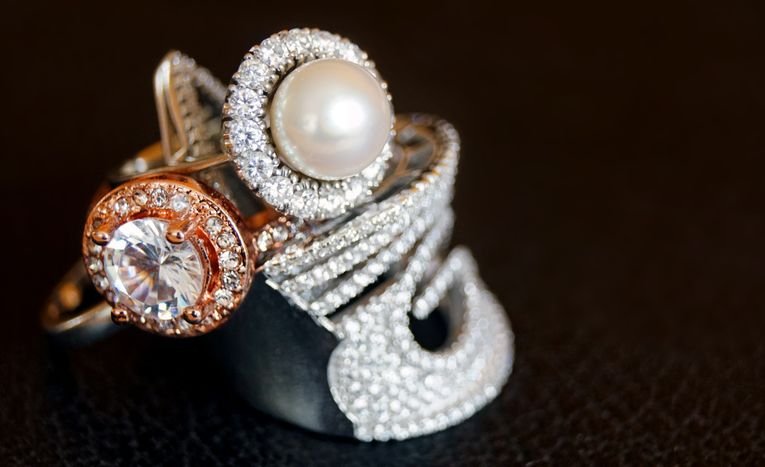
Dull, tarnished jewellery is rarely a sign that the piece is ruined. In most cases, it simply needs the right cleaning method for its specific material, since silver, solid gold, and costume jewellery all react very differently to the same products. Using the wrong method, particularly on plated or glued pieces, can cause damage that no amount of further cleaning will fix. This guide breaks down safe, tested methods for each material so you can bring your jewellery back to life without risking it.
Why one cleaning method does not suit every piece
Solid metals such as sterling silver and gold can generally tolerate more robust cleaning because there is nothing underneath to expose. Costume and plated jewellery is a different story. A thin layer of gold or rhodium sits over a base metal, and abrasive cleaning, or an ultrasonic cleaner, can strip that layer or loosen glued stones within a single session, permanently exposing the metal underneath.
Cleaning methods compared
| Jewellery type | Safe method | Avoid |
|---|---|---|
| Sterling silver | Baking soda and water paste, applied gently with a soft toothbrush, rinsed and dried | Harsh scrubbing, which can wear down detailed engraving |
| Solid gold (with secure, hard stones) | Warm water with a small amount of mild dish soap, or an ultrasonic cleaner if stones are secure | Chlorine-based cleaners, which can weaken gold alloys over time |
| Costume or plated jewellery | Soft dry cloth, occasional lukewarm spot cleaning, never a soak | Ultrasonic cleaners, baking soda, toothpaste, silver dips |
| Jewellery with soft or glued stones (opal, pearl, turquoise, emerald) | Gentle cloth and mild soap solution only | Ultrasonic cleaners, which can crack soft stones or loosen glued settings |
Can you use an ultrasonic cleaner on all jewellery?
No. Ultrasonic cleaners are safe for solid gold, platinum and securely set hard stones such as diamonds and sapphires, but the vibration can loosen glued rhinestones, crack soft gemstones like opal and pearl, and strip thin plating on costume jewellery. Always check for loose stones or cracks before using one, and when in doubt, use a gentle cloth and mild soap instead.
Cleaning silver jewellery step by step
- Mix a small amount of baking soda with water to form a soft paste.
- Apply the paste gently with a soft-bristle toothbrush, working in small circular motions.
- Rinse thoroughly with warm water to remove all residue.
- Dry immediately with a soft, lint-free cloth to prevent water spots.
Cleaning costume jewellery without damaging it
Costume jewellery needs the gentlest approach of any category, since the plating and glued stones cannot tolerate the same treatment as solid metal. A soft dry cloth handles everyday dullness, and for anything more stubborn, a very lightly dampened cloth with a touch of mild soap works better than soaking. Clean around glued stones with a cotton swab rather than submerging the whole piece, since water can weaken the adhesive holding stones in place.
Storage habits that reduce how often you need to clean
Prevention matters as much as cleaning technique. Storing pieces separately, rather than piled together in one tray, stops chains tangling and prevents pieces from scratching each other’s plating or polish. An airtight box or a jewellery bag also slows tarnishing on silver by limiting its exposure to air, which is what actually causes the chemical reaction behind tarnish in the first place. For more on choosing the right storage, see our guide to jewellery boxes below.
Frequently asked questions
Is toothpaste safe for cleaning jewellery?
Toothpaste can be used sparingly on solid metal costume pieces without glued stones, but it works by abrasion, the same way it does on teeth, so it is not suitable for delicate plating, soft stones, or anything with glued elements.
How often should jewellery be cleaned?
Pieces worn daily benefit from a gentle wipe after each wear and a proper clean every few weeks, while occasional-wear jewellery generally only needs cleaning before it is worn again, since tarnish and dulling build up mainly through contact with skin oils and air.
Why does my gold-plated jewellery still look dull after cleaning?
If cleaning does not restore the shine, the plating may have worn through to the base metal underneath, which cleaning cannot reverse. At that point, the only real fix is re-plating by a professional, or replacing the piece.
Our recommendation
For everyday silver and solid gold, a baking soda paste or a mild soap solution covers most cleaning needs safely at home, and an ultrasonic cleaner is a reasonable investment if you own a lot of solid, well-set fine jewellery. For anything costume, plated or set with glued stones, skip the ultrasonic cleaner entirely and stick to a soft cloth. When in doubt about a specific piece, particularly anything antique or sentimental, a professional jeweller can advise on the safest approach before you risk damaging it yourself.