
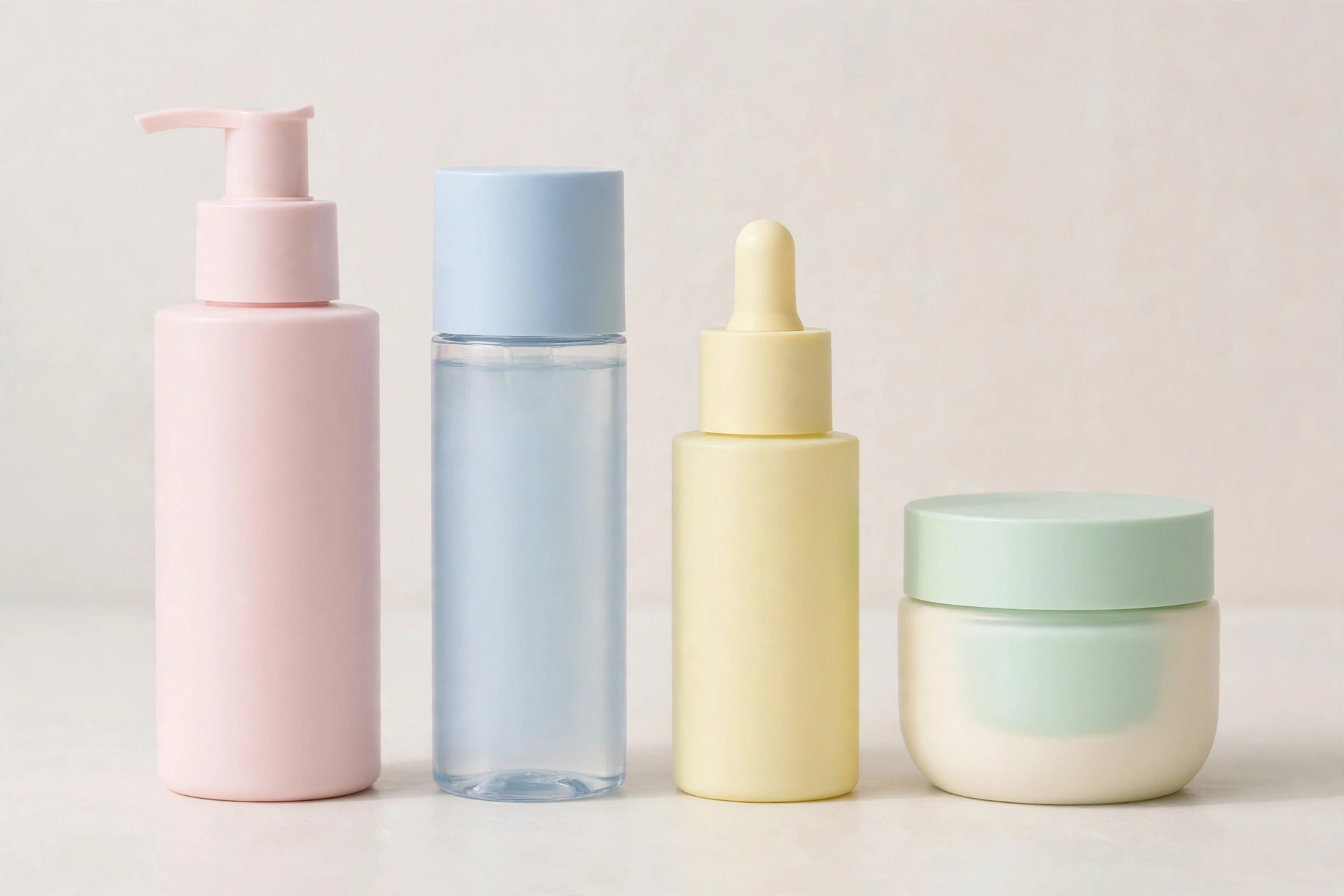
The 10-step Korean skincare routine is a layered routine built around gentle cleansing, hydration and sun protection. It is worth it for people who enjoy skincare as a ritual and want to target specific concerns step by step. It is not worth it for everyone. A shorter routine with the same core steps can keep skin clean, hydrated and protected.
This guide explains each step, what the routine can and cannot do, and how it compares with a simpler version.
What Is the 10-Step Korean Skincare Routine?
The 10-step Korean skincare routine comes from South Korea. It became popular around the world through beauty blogs, social media and K-beauty shops. The idea is simple. You apply products in thin layers, from the lightest texture to the heaviest. Each layer adds water, comfort or targeted care.
The routine is not a strict rule. It is a framework. Some people use all ten steps every day. Others use the full set only at night, or only a few times a week. Many people use a shorter version most days and add extra steps when their skin feels dry or tired.
Korean skincare is often linked with a focus on hydration and a healthy skin barrier. The barrier is the outer layer of skin that helps hold in moisture and keep out irritants. That is why many steps in this routine focus on water and moisture rather than strong active ingredients.
Think of the ten steps as a menu, not a test. Find the steps that help your skin and leave out the ones that do not.
The 10 Steps in Order
Order matters in this routine. Light, watery products go on first. Rich creams go on last. Sunscreen always goes on last in the morning. Here are the ten steps in order.
- Oil cleanser. The first cleanse. It melts makeup, sunscreen and excess oil. You massage it onto dry skin, then rinse it off.
- Foam or water-based cleanser. The second cleanse. It washes away sweat, dirt and any residue left by the oil cleanser.
- Exfoliator. It removes dead skin cells from the surface. It is not used every day, usually once or twice a week.
- Toner. A light, watery product. It adds a first layer of hydration after cleansing and helps skin feel less tight.
- Essence. A light liquid between a toner and a serum. It adds another layer of hydration and helps later products spread well.
- Serum or ampoule. A concentrated product that targets a specific concern, such as dryness, dullness or uneven tone.
- Sheet mask. A thin sheet soaked in serum. You leave it on for around 10 to 20 minutes for a boost of hydration.
- Eye cream. A small amount of cream for the skin around the eyes. It adds moisture to an area that can feel dry.
- Moisturiser. This seals in the layers below it. It helps reduce water loss and keeps skin feeling soft.
- SPF. Sunscreen. It protects skin from ultraviolet light during the day. It is the final step in a morning routine.
At night, you skip the SPF step. You may also skip the sheet mask on most nights. The other steps stay in the same order.
What Each Step Actually Does for Your Skin
Each step has a job. Some steps clean. Some steps add water. Some steps lock water in. When you understand the job, you can tell which steps matter most for you.
The oil cleanser dissolves oil-based residue. Makeup, sunscreen and sebum are oil based, and water alone does not remove them well. The foam cleanser then removes what is left, such as sweat, dust and water-based residue. A gentle cleanser should leave skin clean without a tight feeling.
The exfoliator helps remove the buildup of dead skin cells, which can make skin look smoother. Overuse can cause redness and dryness, so it stays a support step, not a daily core step.
The toner and the essence add water back after cleansing. A hydrating toner helps restore comfort. An essence adds a second light layer. Some people find that essence makes a clear difference. Others find that toner alone is enough.
The serum or ampoule is the targeted step. A hydrating serum adds moisture. A brightening serum aims to improve the look of dull or uneven skin. A soothing serum aims to calm skin that feels irritated. You choose the serum to match your main concern, not to match a trend.
The sheet mask is a hydration boost. The sheet holds serum against the skin so it stays in contact for longer. The eye cream adds moisture to the eye area, where skin is thinner. Many people use their normal moisturiser here instead, and that is fine if it does not irritate the eyes. The moisturiser is the seal. It helps stop water from leaving the skin. A light gel may suit oily skin, while a richer cream may suit dry skin. SPF is the protection step, and it is the step with the clearest long term benefit in the whole routine.
Does the 10-Step Routine Work?
Here is the honest answer. There is no published trial proving that ten steps work better than fewer steps. No study has tested the full ten step routine against a five step routine in a controlled way and shown a clear win for ten steps. The routine is based on skincare principles and on what many people enjoy, not on proof that ten is the magic number.
What is genuinely supported is simpler. Consistent cleansing, moisturising and sun protection help skin stay healthy. Cleansing removes dirt, oil and sunscreen at the end of the day. Moisturising helps support the skin barrier and reduce dryness. Sun protection helps reduce sun damage over time. These three habits are the core of good skincare, whether you use three steps or ten.
The extra steps add comfort or targeted care rather than proven extra results. A toner and an essence add hydration. A serum adds a focused ingredient. A sheet mask adds a temporary boost. These steps can feel good, but they do not have proof that they change skin more than a good basic routine would.
There is also a risk in adding too much. More products mean more chances of irritation. If you add five new products at once and your skin reacts, you will not know which one caused the problem. Add one product at a time and wait a week or two before you add the next one. So does the routine work? It works as a way to build a gentle, hydrating habit. It does not promise that ten steps will give you better skin than five steps.
If you have a persistent skin problem, such as ongoing acne, eczema, rosacea or a rash that does not clear, this routine is not a treatment plan. See a GP or a dermatologist for advice that fits your skin. Skincare guidance in articles like this one cannot replace medical advice.
The Full Routine vs a Simplified Routine
The full routine and a simplified routine share the same core. They differ in time, cost and effort. The table below gives a broad comparison so you can see the trade off clearly.
| Feature | Full 10-step routine | Simplified 4 to 5 step routine |
|---|---|---|
| Steps | 10 steps, morning and night with some changes | 4 to 5 steps, morning and night |
| Time | Longer, often 20 to 30 minutes or more | Shorter, often 5 to 10 minutes |
| Cost in broad terms | Higher, because you buy and replace more products | Lower, because you buy and replace fewer products |
| Who it suits | People who enjoy skincare and want targeted steps | People who want a simple habit or are new to skincare |
| Main benefit | Layered hydration and focused care | Consistent cleansing, moisture and sun protection |
| Main risk | More chance of irritation and higher cost | Fewer targeted steps for specific concerns |
The simplified routine still covers the essentials. A gentle cleanser, a moisturiser and SPF in the morning give you the core benefits. At night, a cleanser and a moisturiser do the main work. If you find a long routine stressful, you are more likely to skip it. A short routine you use every day is better than a long routine you use only once a week.
Who the Full Routine Suits, and Who Should Skip It
The full routine suits people with dry or dehydrated skin who want extra hydration. Layers of toner, essence and serum can help skin feel less tight. It also suits people who have a specific concern they want to target, such as dullness or uneven tone, and who enjoy skincare as part of self care.
It does not suit everyone. If you have sensitive skin that reacts easily, ten products increase the risk of irritation, so a shorter routine is often safer. If you are new to skincare, start short and learn how your skin reacts to a cleanser and a moisturiser first.
People with very oily skin may find that too many rich layers feel heavy, and a light routine with gel textures often works better. People with acne prone skin should also be careful with extra layers. If you are pregnant, breastfeeding, or using a prescribed skin treatment, check with your GP, pharmacist or dermatologist before you add new active products. The best routine is the one that suits your skin, your life and your budget, and that you can repeat every day without stress.
How Much the Routine Costs in the UK
Cost is one of the biggest differences between the full routine and a simple routine. More products means more cost. Ten products need ten purchases, and they need replacing at different times. A simplified routine needs fewer products, so it has a smaller upfront cost and a smaller ongoing cost. You also waste less, because you are more likely to finish each product before it expires. You may also buy extras such as sheet masks, eye cream and ampoules. Those extras add up over a year.
You do not need to spend a lot to follow the principles of this routine. The core ideas are gentle cleansing, hydration and sun protection, and those ideas work with products at many price points. Price does not always mean better results. To keep costs down, start with the core steps and add extras only when you have a clear reason. Use up one product before you buy a replacement, and avoid buying several serums at once.
Common Mistakes Beginners Make
Beginners often make the same mistakes with this routine. Most of them are easy to avoid once you know what to look for.
First, starting with all ten steps at once. It is tempting to buy the full set and use it from day one, but you cannot tell which product helps and which one irritates your skin. Start with the core steps and add one new product at a time.
Second, exfoliating too often. Exfoliation can help skin look smoother, but daily use is too much for most people and can cause redness, dryness and sensitivity. Keep it to once or twice a week.
Third, using too much product. A pea sized amount of moisturiser is often enough for the face, and a few drops of serum are enough. More product does not mean more benefit. It often means a sticky feeling and wasted product.
Fourth, skipping sunscreen. Some people use nine steps and forget the tenth, yet sunscreen is the step that protects your skin during the day. Use it every morning, even when it is cloudy, as clouds do not block all ultraviolet light.
Fifth, mixing too many active ingredients at once. If you use several strong products together, your skin can become irritated, so keep active products simple at first and introduce one at a time.
Sixth, expecting fast results. Hydration can improve how skin feels within days, but changes in tone or texture take weeks. Give a new product at least a few weeks before you judge it, unless it clearly irritates your skin. Finally, copying someone else’s routine exactly rarely works, as skin types differ. Stop any product that stings, causes redness, or leads to breakouts that do not settle.
A Beginner-Friendly Way to Start
You do not need to start with ten steps. A simple four to five step version gives you the core benefits and lets you learn what your skin likes.
In the morning, use three steps. Cleanse gently or rinse with water, then apply moisturiser, then apply SPF. If your skin feels dry in the morning, add a hydrating toner before your moisturiser, which makes four steps.
At night, use three steps. Cleanse to remove makeup, sunscreen and the day’s buildup, then apply moisturiser to seal in hydration. If you wear makeup or sunscreen, use an oil cleanser first, then a gentle cleanser. That is double cleansing, and it counts as two steps in the evening.
Once this simple routine feels stable, add steps one at a time. Add a toner first if your skin feels dry after cleansing. Add a serum next if you have a specific concern, such as dryness or dullness. Add an exfoliator or a sheet mask once a week if you want more care.
Give each new step time. Use it for one to two weeks before you add another, and keep a short note of what you added and how your skin felt. A short routine you can do every night is better than a long routine you do only when you have energy.
Skincare also works best with a simple daily habit around it. Once your skin is cared for, you may want to keep your look simple too. A good place to start is an everyday makeup routine for beginners, which shows how to build a light, natural look without a long list of products.
Frequently Asked Questions
How long does the 10-step Korean skincare routine take?
The full routine often takes 20 to 30 minutes, especially at night when you include a sheet mask. A simplified version takes 5 to 10 minutes. The time depends on how many steps you use and how long you wait between layers. If time is short, use the core steps only.
Can you do the routine morning and night?
You can, but you do not need to use all ten steps twice a day. In the morning, keep it short and finish with SPF. At night, you can take more time and skip SPF. Exfoliator and sheet mask are not daily steps. Use them once or twice a week.
Is the routine suitable for sensitive skin?
It can be, but with care. Sensitive skin reacts more easily to new products, so start with a short routine and a gentle cleanser and moisturiser. Add steps slowly, one at a time, and patch test a new product on a small area first. If your skin stays red, sore or itchy, stop the product and seek advice from a GP or a dermatologist.
Do you need Korean products to follow the routine?
No, you do not need Korean products. The routine is a method, not a shopping list. You can follow the same steps with products made anywhere, as long as they suit your skin type. The key ideas are gentle cleansing, layered hydration and sun protection.
Do you need to use all ten steps every day?
No. The ten steps are a guide, not a daily rule. Many people use a shorter routine most days and add extra steps when they have time or when their skin needs more care. The core steps are cleansing, moisturising and sun protection. The other steps are optional extras.
Will the routine clear acne or fade dark spots?
The routine alone is not a treatment for acne or dark spots. It can help keep skin clean and hydrated, but it cannot promise to clear acne or fade marks. If you have ongoing acne or any skin problem that does not improve, see a GP or a dermatologist for advice.
Conclusion
The 10-step Korean skincare routine is a useful framework, not a rule you must follow in full. Its strengths are gentle cleansing, layered hydration and daily sun protection. Its weakness is the idea that more steps always mean better skin. There is no proof that ten steps beat a shorter routine.
If you enjoy skincare and have time, the full routine can be a pleasant ritual. If you prefer a simple habit, a four to five step version covers the essentials and is easier to keep up. Start short, add steps one at a time, and choose products for your skin, not for a trend.