
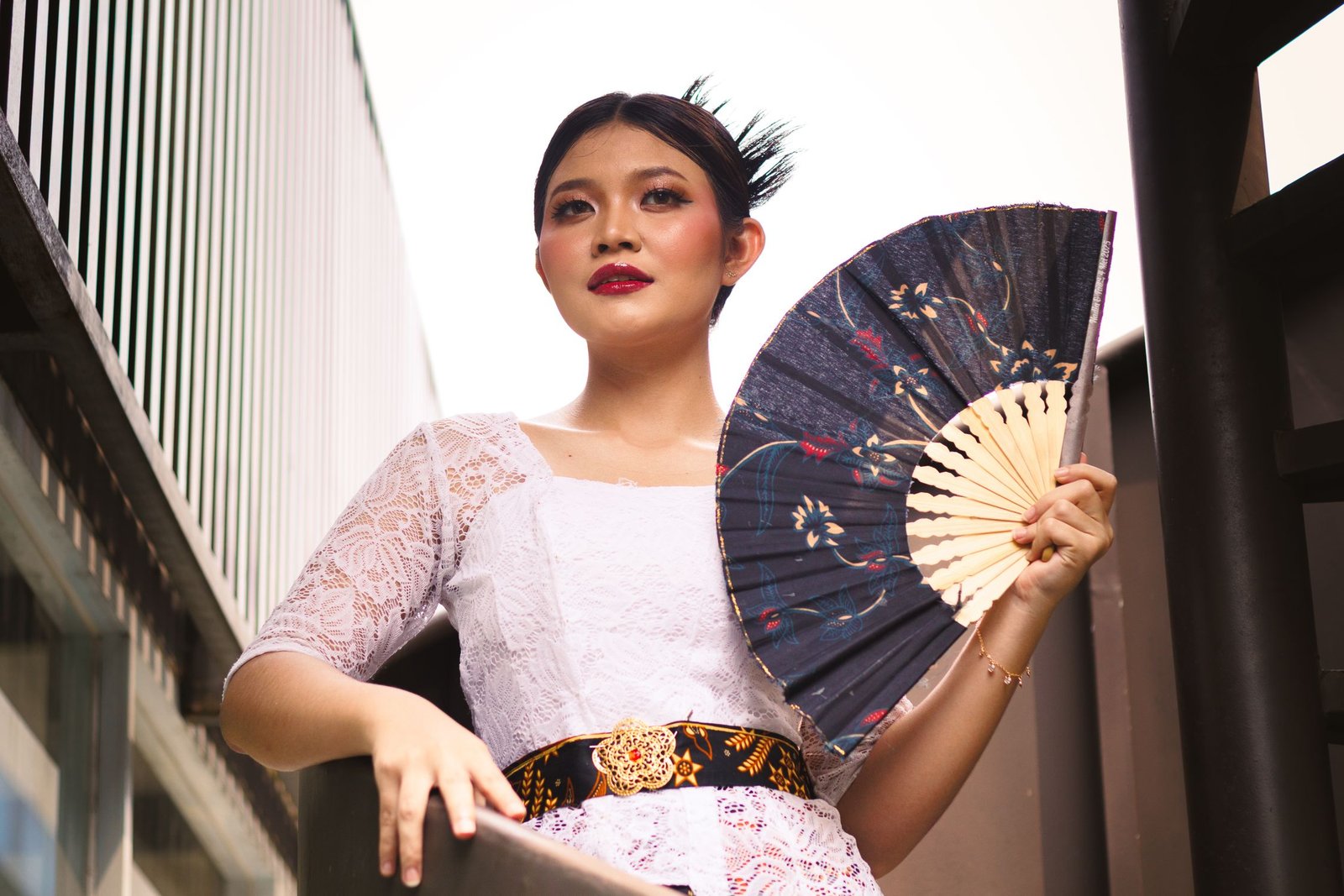
Looking effortlessly polished is no longer just a matter of luck. With a clear method for choosing clothes that fit well, work together and suit your life, you can build a wardrobe that feels fresh, smart and unmistakably you. In this guide, you will discover how to dress well every day, without breaking the bank and without chasing every passing trend.
Why dressing smart matters
Dressing smart is not about spending more money or owning more clothes. It is about making deliberate choices so that everything in your wardrobe earns its place. A smart wardrobe saves time in the morning, because the pieces already work together, and it saves money over time, because you stop buying things that never get worn. The goal is not to look like someone else. It is to look like the best version of yourself, in clothes that suit your shape, your lifestyle and your budget, whether you are heading to the office, meeting friends or simply running errands.
Start with a wardrobe audit
Before buying anything new, take an honest look at what you already own. Pull everything out of your wardrobe and sort it into three piles: pieces you wear regularly, pieces you like but rarely wear, and pieces you never wear at all. The second pile usually reveals a fit or styling problem, so ask yourself what is stopping you from wearing each piece, and whether a simple fix, such as a different top or a better pair of shoes, would bring it back into rotation. A wardrobe audit like this, done once or twice a year, is the single most useful step in dressing smart, because it stops you from buying duplicates of things you already own and shows you the genuine gaps to fill.
Minimalist basics: the foundation
Every smart wardrobe starts with minimalist essentials, simple pieces in neutral colours that work with almost everything else you own. These are the building blocks of a fashionable look, and they adapt seamlessly from business casual to a night out.
- Crisp white button-down shirts that work tucked in or worn loose
- Tailored blazers in neutral tones such as black, navy or camel
- Well-fitted jeans in a dark wash, with no rips or heavy fading
- Classic white trainers or loafers in good condition
- Plain t-shirts in black, white and grey, in a fabric that holds its shape
When a basic fits well, it quietly makes everything worn with it look better too.
Statement pieces: one per outfit
Once the basics are in place, statement pieces add personality. The rule is simple: one statement per outfit, so the eye has a single place to land. A bold patterned jacket, a pair of metallic or coloured shoes, a silky scarf or an interesting piece of jewellery can all do the job, but two or three of them together will compete with each other and make the outfit feel busy. Choose statement pieces that genuinely reflect your taste rather than whatever is most heavily promoted at the moment, since a piece you love will be worn far more often than one you bought because it was fashionable for a season.
Colour and fit: the two things that matter most
Colour and fit do more for an outfit than any trend ever will. Start with a neutral base of black, navy, grey, white or camel, then add one or two accent colours that suit your skin tone. People with warm undertones, where the veins on the wrist look greenish, usually suit warm colours such as camel, olive, rust and cream, while people with cool undertones, where the veins look bluish, usually suit jewel tones such as emerald, sapphire and burgundy. Fit matters just as much: trousers should sit comfortably at the waist without a belt holding them up, jacket shoulders should end at your own shoulders, and sleeves should show a small amount of shirt cuff.
Mix and match like a pro
Embracing smart style means knowing how to mix wardrobe essentials so a small number of pieces creates a large number of outfits. The trick is to build each outfit around one simple formula, then vary a single element.
- Layer smart: pair a neutral tee, a dark blazer and statement shoes for a look that works from day to evening.
- Balance proportions: wear oversized pieces with fitted items, for example an oversized cardigan with straight leg jeans.
- Play with colour pops: use bold accessories such as scarves, belts or socks to lift neutral outfits.
- Use texture: a knit jumper with a leather skirt, or denim with silk, creates visual interest without extra colour.
Sustainable selections
Choosing clothes with sustainability in mind does not mean buying only expensive ethical brands. It means buying less, buying better and wearing things for longer, which is both kinder to the planet and easier on your budget. Look for natural fibres such as cotton, wool and linen where you can, and check whether a brand publishes anything about its factories or materials, since transparency is usually a good sign.
Grooming and confidence: beyond clothes
A polished look goes beyond clothing, and the details around the outfit matter more than most people realise. Keep your hair neat and well maintained, your nails clean, and your shoes in good condition, since scuffed shoes or chipped polish can undo an otherwise careful outfit. Confident posture makes a real difference too: stand tall with your shoulders back and your head up, and clothes will hang better on you. Above all, remember that confidence is the ultimate accessory. Wear your outfit, not the other way around, and choose clothes that let you move, sit and breathe comfortably, because discomfort shows in how you carry yourself.
Styling on a budget: affordable smart trends
Being stylish does not have to be expensive, and some of the smartest wardrobes are built on a modest budget.
- Thrift shopping: treasure vintage quality, especially blazers, denim and leather, which are often better made second hand than new.
- Seasonal sales: buy basics during sales rather than impulse buying at full price, and keep a short list of what you actually need.
- Clothing swaps: trade with friends to refresh your wardrobe without spending anything, and pass on pieces that no longer suit you.
- Online marketplaces: platforms such as Depop, Vinted and eBay can yield near new pieces at a fraction of the original price, if you check measurements and seller reviews first.
Care and maintain: make your look last
Protect your wardrobe investment with a little routine care, and your clothes will look newer for far longer. Read clothing labels to guide washing and drying, and wash less often than you think: many garments, including jeans and knitwear, stay fresher if they are aired rather than washed after every wear. Store leather and denim away from direct heat and sunlight, and use proper hangers for jackets and blazers so the shoulders keep their shape. Proper care ensures your pieces stay fresh for years, not months.
Real-life examples
Example 1: Office to evening transition
Start with a neutral blazer, a white tee and dark wash jeans, then swap trainers for coloured loafers, add a patterned scarf and a structured tote bag.
Example 2: Casual weekend look
A black slim turtleneck with an oversized cardigan and straight leg jeans, plus chunky white trainers and minimalist jewellery, makes a simple yet stylish outfit that is perfect for brunch or errands.
Frequently asked questions
How many pieces do I need for a smart wardrobe?
There is no fixed number, but most people can build a flexible wardrobe from around twenty to thirty pieces, including basics, a few statement items and shoes. The exact count matters less than whether every piece works with several others, so focus on versatility rather than volume.
How do I dress smart on a small budget?
Start with the wardrobe audit, then fill only the genuine gaps, buying basics in sales and quality pieces second hand. Spend more on items you wear every day, such as shoes and a blazer, and less on trend led pieces, and always check the cost per wear before you buy.
Final takeaways and your style roadmap
Dressing smart is about fusing simplicity, fit and conscious choices: start with minimalist basics and smart staples, add one statement piece per look, practise mix and match and colour coordination, maintain grooming and outward confidence, and shop thoughtfully so your clothes last.
| Task | Why it matters |
|---|---|
| Select 5 versatile basics | Build a functional foundation |
| Choose 2 statement pieces | Add personality to outfits |
| Create 3 day-to-night combos | Avoid outfit stress in the morning |
| Update grooming routine | Enhance polished appearance |
| Plan a thrift shop visit | Build your look affordably |
Keep your closet lean, functional and stylish. Test combinations, play with textures, and most importantly, align your wardrobe with your personality.