
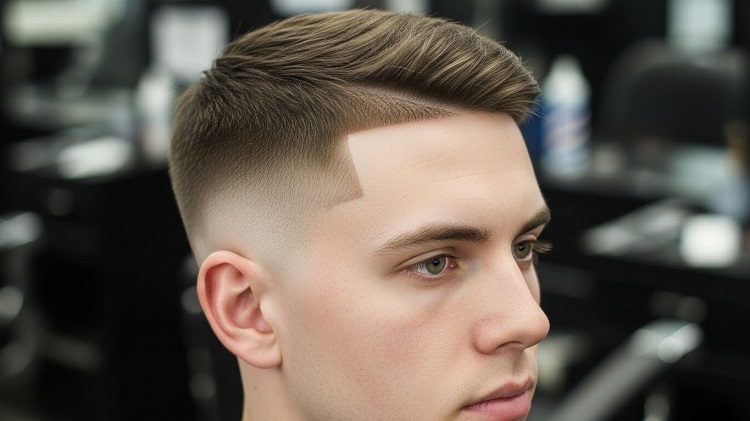
A low taper fade gives you a clean and modern look that fits almost every face shape and hair type. You see it on athletes, actors, and creators because it works in daily life. It suits short, medium, and curly hair. It also blends well with beards, line-ups, and textured tops. This guide helps you understand the style, choose the right version, and get the perfect cut at the barber’s or at home.
You get clear steps, tool advice, clipper guard numbers, and a full maintenance plan. You also learn what to tell your barber and what mistakes to avoid if you cut at home. The goal is simple: help you walk out with a fade you actually like.
What Is a Low Taper Fade?
A low taper fade starts just above your ears and around the nape of your neck. The fade stays low and subtle. The top stays longer, and the sides slowly taper down toward the skin. The hair is not shaved high up the head. The fade sits close to the natural hairline. This makes the haircut look clean without removing too much length.
You can shape it around any style:
- textured crop
- blowout
- curly top
- wavy top
- pompadour
- side part
- fringe
- afro top
The fade supports the style without overpowering it. This is why the low taper fade is popular in barbershops and social media tutorials.
Low Taper Fade vs Mid and High Fades
Choosing the wrong fade level can change your look. Here are the main differences.
Low Fade
- Starts near the ear and neckline
- Subtle and natural
- Best if you want a clean look without a drastic contrast
- Works well with curls, waves, and volume
Mid Fade
- Starts above the temple
- Visible contrast
- Good for medium-length tops
- Sharper and more dramatic than a low fade
High Fade
- Starts near the crown or temple line
- Strong contrast
- High-maintenance
- Not ideal if you prefer a balanced look
A low taper fade is the safest option if you want a versatile cut you can wear at work, school, or events.
Choose the Right Variation for Your Hair Type
Your hair type changes how the fade looks. Here is how to pick the right option.
Straight Hair
Straight hair gives a sharp and clean finish. You can try:
- straight top with light texture
- comb-over
- quiff
- side part
Straight hair shows blend lines easily, so ask your barber to spend more time on the transition.
Curly and Wavy Hair
A low taper fade works well with curls. It removes bulk near the ears and keeps the curls on top defined. Choose:
- curly top
- curly fringe
- low taper fade with a high-volume top
Use curl cream or gel to shape the top after your cut.
Afro and Coarse Hair
Afro textures look strong with a low taper fade. It keeps the sides clean while shaping the top. Try:
- afro sponge top
- twist top
- short afro
A lineup and beard fade make the look even sharper. Use oil or moisturizing cream to maintain texture.
Before You Sit in the Chair: What to Tell Your Barber
Most bad haircuts happen because the instructions were unclear. Here is a simple checklist you can use.
Barber Checklist
Tell your barber:
- “I want a low taper fade that starts near the ear.”
- “Keep the fade low, not mid or high.”
- “Keep the top long enough for my style.”
- “Blend the sides smoothly into the top.”
- “Keep the neckline and sideburns tapered, not blocked.”
- “Add a line up if you want sharp edges.”
- “Keep the beard fade light or medium, depending on your preference.”
Bring Reference Photos
Show your barber:
- A picture of the top you want
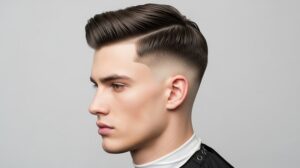
- A picture of the exact fade level
- A picture of the side view
These three photos remove confusion and help your barber match your expectations.
Step-by-Step Barber Guide (You Can Use This for DIY Too)
Here is a simplified version of how professionals create a clean,n low taper fade.
Step 1: Create the Guideline
The first step is making the starting line for the fade. The guideline starts just above your ear. It should curve around the ear and slope toward the neckline.
Step 2: Use the Right Clipper Guard Numbers
Here is a clear table you can follow.
| Zone | Guard Number | Length | Purpose |
| Base of the fade | 0 or lever open | 0.5–1 mm | Cleans the area near the ear |
| Mid transition | #1 | 3 mm | Starts the taper |
| Upper transition | #1.5 | 4.5 mm | Connects bottom to top |
| Final blend | #2 | 6 mm | Softens the fade |
| Top connection | #3 or scissor trim | 10 mm+ | Connects sides to the top |
The exact guards may change based on your hair density and desired contrast.
Step 3: Blend the Fade
Barbers use the clipper lever to control micro-lengths. The lever blends harsh lines and softens transitions. The technique:
- Use an upward motion
- Do not press the clipper too hard
- Work in small sections
- Check both sides for symmetry
Step 4: Clean the Corners and Edges
Use trimmers to clean near the ear and neckline. Do not cut too high. The low taper fade must stay focused near the edges, not the middle of the head.
Step 5: Finishing Touches
Add:
- lineup
- beard fade
- temple fade
- texture on top with scissors
- sideburn taper
These details bring sharpness to the haircut.
DIY at Home: Tools, Safety, and Common Mistakes
Cutting a low taper fade yourself is possible if you have patience. Here is a practical guide.
Tools Checklist
You need:
- adjustable clippers
- guards from 0 to 3
- trimmer
- comb
- handheld mirror
- brush
If your clipper has a fading lever, you can blend more easily.
DIY Steps
Follow this structure:
- Start with clean and dry hair
- Create the initial low guideline around the ear
- Use a 0.5 guard to clean the lowest section
- Move up with guard #1
- Use guard #1.5 for blending
- Use guard #2 to connect to the top
- Shape the top with scissors
- Use a trimmer for final detailing
Common Mistakes to Avoid
Avoid these:
- fading too high
- using the wrong guard order
- not checking both sides evenly
- cutting with wet hair
- not cleaning the neckline correctly
Styling and Product Picks (By Hair Type)
Good styling makes your taper fade look fresh.
Straight Hair
Use:
- matte clay for texture
- light wax for shape
- sea salt spray for volume
Curly Hair
Use:
- curl cream
- leave-in conditioner
- defining gel
These products help curls hold shape after a fade.
Afro Hair
Use:
- moisturizing cream
- hair oil
- sponge brush for shaping twists
Maintenance Plan and Pricing Expectations
A low taper fade fades fast. Here is a simple care plan.
Weekly Care
- trim the sideburn area
- Use moisturizer on curls
- wash with gentle shampoo
Touch-Up Schedule
Most people touch up:
- Every 1 to 2 weeks for sharp edges
- every 3 to 4 weeks for full reshaping
Pricing Guide
Typical price ranges:
- Basic fade: 15 to 30 USD
- Detailed fade with beard: 25 to 50 USD
- premium barbers: 50 to 90 USD
Your region and barber skill affect pricing.
Frequently Asked Questions
How long does a low taper fade last?
It usually lasts two to four weeks, depending on hair growth.
Is it good for curly hair?
Yes. It removes bulk near the ears and shapes curls on top.
Does it work with beards?
Yes. A beard taper blends the face and makes the fade look smooth.
Five Example Looks You Can Try
Include photos when publishing. Here are captioned ideas:
- Low taper fade with curls on top
- Low taper fade with short waves
- Low taper fade with textured fringe
- Low taper fade with extended line-up
- Low taper fade with side part
Call to Action
If you want a clean and modern cut, save this guide before your next appointment. You can share it with your barber and use the guard chart for DIY cuts. Explore related topics:
- How a taper fade compares with a burst fade
- How to style curls for better definition
- How to create a home fade kit
You can also check tutorials from professional barbers online. They display the full clipper angles and blending motions in real-time.
Conclusion
A low taper fade works on almost every hair type. It gives you a clean shape while keeping the top long enough to style. With the steps in this guide, you know how to pick the right version, talk to your barber, or even cut it at home. The clipper guard chart and style ideas help you stay consistent every time you get a haircut. Good aftercare keeps the fade sharp. Use the maintenance plan and product tips to keep the look fresh.